MBBS in Kazakhstan 2026 Complete Guide for Indian Students
Table of Contents
Introduction
Embarking on a medical career requires not just ambition, but strategic decision-making. Over the past decade, Kazakhstan has cemented its position as one of the most prominent, reliable, and highly sought-after destinations for Indian students looking to study medicine. Offering world-class infrastructure, universally recognized degrees, and highly affordable tuition fees, studying MBBS in Kazakhstan presents a golden opportunity for NEET-qualified students entering the 2026 academic session.
With an educational framework deeply rooted in the rigorous Soviet medical tradition, yet modernized to meet global standards, Kazakhstan provides a 5-year academic program coupled with a mandatory 1-year clinical internship. This 6-year structure perfectly aligns with the latest National Medical Commission (NMC) guidelines, ensuring Indian students face zero administrative hurdles upon their return. This definitive 2026 guide covers every aspect of securing MBBS admission Kazakhstan 2026, choosing the right university, understanding realistic budgets, and navigating student life in the heart of Central Asia.

Almaty, the cultural and economic heart of Kazakhstan, provides a highly developed, modern, and secure environment for international students.
Why Choose Kazakhstan
When comparing options to study MBBS abroad, parents and students are often overwhelmed. Here is why Kazakhstan consistently ranks among the top choices for Indian students in 2026:
1. Unquestionable NMC Recognition: All leading Kazakh medical universities strictly adhere to the 5.5 to 6-year curriculum requirement mandated by the NMC of India.
2. Highly Affordable Fees: The total package for MBBS in Kazakhstan fees is drastically lower than Indian private colleges, often entirely achievable within a budget of ₹20 to ₹28 Lakhs.
3. No Capitation Fees or Donations: Admission is fundamentally merit-based. DreamMed Abroad ensures a highly transparent, donation-free admission process.
4. 100% English Medium: The entire MBBS curriculum—lectures, practicals, and examinations—is conducted in English.
5. Excellent Clinical Exposure: Government-affiliated teaching hospitals witness a massive patient influx, ensuring students get hands-on experience handling diverse medical cases.
6. Safety and Comfort: Kazakhstan is renowned for its religious tolerance, secular governance, and exceptionally safe cities with modern amenities.
Overview of Kazakhstan
Before committing 5 to 6 years of your life to a foreign nation, it is vital to understand its geography, economy, and culture. Kazakhstan is the largest country in Central Asia and the ninth largest in the world.
| Feature | Details |
|---|---|
| Capital City | Astana (formerly Nur-Sultan) |
| Largest City | Almaty |
| Currency | Kazakhstani Tenge (KZT) |
| Exchange Rate | 1 INR ≈ 5.5 - 6.0 KZT (Subject to variation) |
| Official Languages | Kazakh & Russian (MBBS is in English) |
| Safety Index | Very High (Strict law enforcement) |
| Flight Time | Approx. 3.5 - 4 Hours from New Delhi |
| Climate | Continental (Warm summers, harsh winters) |

Astana, the stunning capital city, is known for its futuristic architecture and robust academic institutions.
Quick Facts Table
| Parameter | Details for 2026 Intake |
|---|---|
| Course Duration | 5 Years Academics + 1 Year Internship |
| Medium of Instruction | English |
| Eligibility | 50% in PCB (12th) + NEET Qualified |
| Average Tuition Fee | $3,500 - $5,000 per year |
| Average Living Cost | ₹12,000 - ₹15,000 per month |
| NMC Approved? | Yes, fully compliant |
| IELTS/TOEFL Required? | No |
Eligibility Criteria
Securing an MBBS admission in Kazakhstan requires meeting both the university’s internal standards and the foundational eligibility criteria mandated by the Indian medical authorities.
Age Limit:* The student must have attained the age of 17 years on or before December 31st of the year of admission.
Academic Performance:* A minimum aggregate of 50% marks in Physics, Chemistry, and Biology (PCB) in the 12th standard (10+2) board examinations for General category students. For SC/ST/OBC categories, the minimum is 40%.
Mandatory Subjects:* English must be studied as a compulsory subject in the 10+2 curriculum.
NEET Requirement
Is NEET compulsory for MBBS in Kazakhstan for Indian students? Yes, it is legally mandatory.
As per the rules set by the National Medical Commission (NMC), any Indian student seeking to pursue medical education abroad and subsequently practice in India must clear the National Eligibility cum Entrance Test (NEET-UG).
Qualifying Marks:* You only need to achieve the minimum qualifying percentile set by the NTA for your respective category. High scores are not required for abroad admissions.
Validity:* The NEET scorecard is valid for a period of three years for international medical admissions.

Kazakhstan's medical universities feature sprawling campuses integrating traditional academic buildings with modern research centers.
Admission Process 2026
At DreamMed Abroad, we simplify the complex bureaucratic procedures, ensuring your transition to a Kazakh medical university is smooth and stress-free.
1. Expert Counselling: Our team evaluates your NEET score, academic background, and budget to recommend the perfect university.
2. Document Submission: Provide scanned copies of your 10th & 12th mark sheets, NEET scorecard, and a valid passport.
3. Admission Confirmation: The university processes the application and issues an official Admission Letter within 5-7 working days.
4. Visa Invitation: We apply to the Ministry of Internal Affairs in Kazakhstan for your official Visa Invitation Letter (takes approximately 15-20 days).
5. Visa Stamping: With the invitation in hand, we secure your student visa from the Embassy of Kazakhstan in New Delhi.
6. Travel Arrangements: We handle flight bookings, pre-departure briefings, and arrange for our representatives to receive you at the airport in Almaty or Astana.
Required Documents
Keep the following documents strictly organized for your application:
* Original 10th and 12th Board Mark Sheets
* Original Passport (minimum 18 months validity)
* NEET UG Scorecard
* 6 to 8 Passport-sized photographs (White background)
* Comprehensive Medical Fitness Certificate (Including HIV-negative test report)
* Bank Statement (of parents/guardians to prove financial capability)
Visa Process
The student visa process for Kazakhstan is highly streamlined. Because the Visa Invitation Letter is pre-vetted and issued by the Kazakh government, embassy rejections are virtually non-existent for legitimate students. You will initially travel on a 90-day student visa. Upon your arrival, the university’s international department will collect your passport and register you with the local migration police, extending your visa annually for the entire 5 to 6 years of your course.

Thousands of Indian students form a tight-knit, supportive community across various Kazakh medical universities.
Top NMC Approved Universities
Selecting the right institution from the NMC approved medical universities in Kazakhstan dictates the quality of your education and your future success in licensing exams. Here are the top choices for the 2026 intake:
1. Kazakh National Medical University (Asfendiyarov)
Located in Almaty, KazNMU is the oldest and most prestigious medical university in Kazakhstan. Founded in 1930, it is designated as a "National" university, receiving the highest level of government funding. It boasts unparalleled clinical facilities and a massive Indian student body.
2. Astana Medical University
Situated in the capital city, AMU is a premier institution known for its strict academic discipline, modern infrastructure, and close ties with the Ministry of Health. It is highly preferred by students seeking a highly developed urban environment.
3. South Kazakhstan Medical Academy
Located in Shymkent, SKMA is famous for its affordability and high-quality education. Shymkent has a slightly warmer climate compared to Astana, making it very comfortable for Indian students. The university has a stellar track record in FMGE passing percentages.
4. Al-Farabi Kazakh National University
While primarily a comprehensive university, Al-Farabi’s Faculty of Medicine and Healthcare is ranked among the top 200 universities globally (QS World Rankings). Located in Almaty, it offers an incredibly diverse, world-class campus experience.
5. Semey Medical University
Located in Semey, this university is historically significant and heavily focused on research and rigorous clinical training. It offers excellent coaching facilities for Indian licensing exams right from the initial years.
University Comparison Table
| University | Location | Established | Global Recognition | Budget Category |
|---|---|---|---|---|
| Kazakh National Med. Univ. | Almaty | 1930 | WHO, ECFMG, NMC | Premium |
| Astana Medical University | Astana | 1964 | WHO, ECFMG, NMC | Premium |
| South Kazakhstan Med. Acad. | Shymkent | 1979 | WHO, ECFMG, NMC | Affordable |
| Al-Farabi Kazakh Nat. Univ. | Almaty | 1934 | WHO, ECFMG, NMC | Premium |
| Semey Medical University | Semey | 1953 | WHO, ECFMG, NMC | Affordable |

University libraries provide extensive access to international medical literature, crucial for competitive exam preparation.
Get Free Kazakhstan MBBS Counselling
Get a fully transparent, customized fee estimate and university selection help.
MBBS Fee Structure 2026
A major draw of Kazakhstan is financial predictability. Let's examine a realistic breakdown of MBBS in Kazakhstan fees.
Tuition Fees
Depending on the university's prestige, annual tuition fees range from $3,500 to $5,500 (Approx. ₹3 Lakhs to ₹4.6 Lakhs). Kazakh National Medical University and Al-Farabi are on the higher end, while SKMA and Semey offer more affordable brackets.
Hostel Fees
Government university hostels are highly subsidized. They generally cost between $600 to $800 per year (Approx. ₹50,000 to ₹67,000). Hostels are secure, centrally heated, and generally accommodate 2 to 4 students per room.
Mess Charges
Almost every major university hosts an Indian mess run by specialized contractors. These provide three nutritious Indian meals daily, costing around $120 to $150 per month (Approx. ₹10,000 to ₹12,500).
Living Expenses
Almaty and Astana are modern cities, but daily living costs (transport, internet, laundry) are very manageable, averaging $50 to $80 per month (Approx. ₹4,000 to ₹6,500).
Travel Costs
Direct flights operate between New Delhi and Almaty (e.g., Air Astana, IndiGo). A one-way ticket typically costs ₹15,000 to ₹20,000, making travel highly convenient.
Total Budget Breakdown
For an Indian student completing the full 5-6 year program, the total absolute budget—including tuition, hostel, Indian mess, medical insurance, visa extensions, and basic living expenses—generally falls between ₹22 Lakhs to ₹32 Lakhs.

Students undergo rigorous practical training in advanced medical laboratories equipped with modern diagnostic technologies.
Advantages of Studying in Kazakhstan
World-Class Degrees:* Degrees are universally recognized, allowing global practice.
Cost-Effective:* Premium education at a fraction of Indian private college costs.
English Medium:* No need to clear local language proficiency exams for academics.
Proximity:* Only a 3.5-hour direct flight from India.
High Safety Standards:* Exceptionally safe cities with strict policing.
Disadvantages to Consider
Extreme Winters:* Especially in cities like Astana, winter temperatures can drop to -20°C or lower. However, Almaty and Shymkent are milder.
Language Barrier Off-Campus:* While the university is English-speaking, interacting with locals and patients requires learning basic Russian or Kazakh.
Dietary Adjustments:* Outside of the Indian mess, finding pure vegetarian food in local restaurants can be challenging.
Student Life
Student life in Kazakhstan is an enriching blend of intense medical studies and cultural exploration. Cities like Almaty are cosmopolitan, featuring modern malls, cafes, ski resorts, and beautiful parks. Universities frequently organize sports tournaments, cultural festivals, and international medical conferences.
Indian Community
You will never feel alone. Indian students celebrate Diwali, Holi, and Independence Day with immense enthusiasm. The large Indian community provides a strong support system for newcomers, helping them adjust to the new environment rapidly.
Safety
Kazakhstan is widely considered one of the safest countries in the CIS region for international students. University campuses are equipped with 24/7 CCTV surveillance, biometric access controls, and strict hostel curfews. The local population is progressive and highly welcoming to foreigners.
Accommodation
University hostels are the primary choice for first-year students. They are heavily guarded and centrally heated. From the second or third year, many students opt to rent private apartments in groups, which cost approximately $150-$200 per student per month, offering more privacy and kitchen facilities.
Weather
Kazakhstan has a continental climate. Summers are warm and pleasant (25°C to 30°C). Winters are long and cold. However, the infrastructure is built to handle it—every single indoor space, from your hostel room and university lecture halls to public buses and malls, is heavily centrally heated. You only face the cold when walking outside.
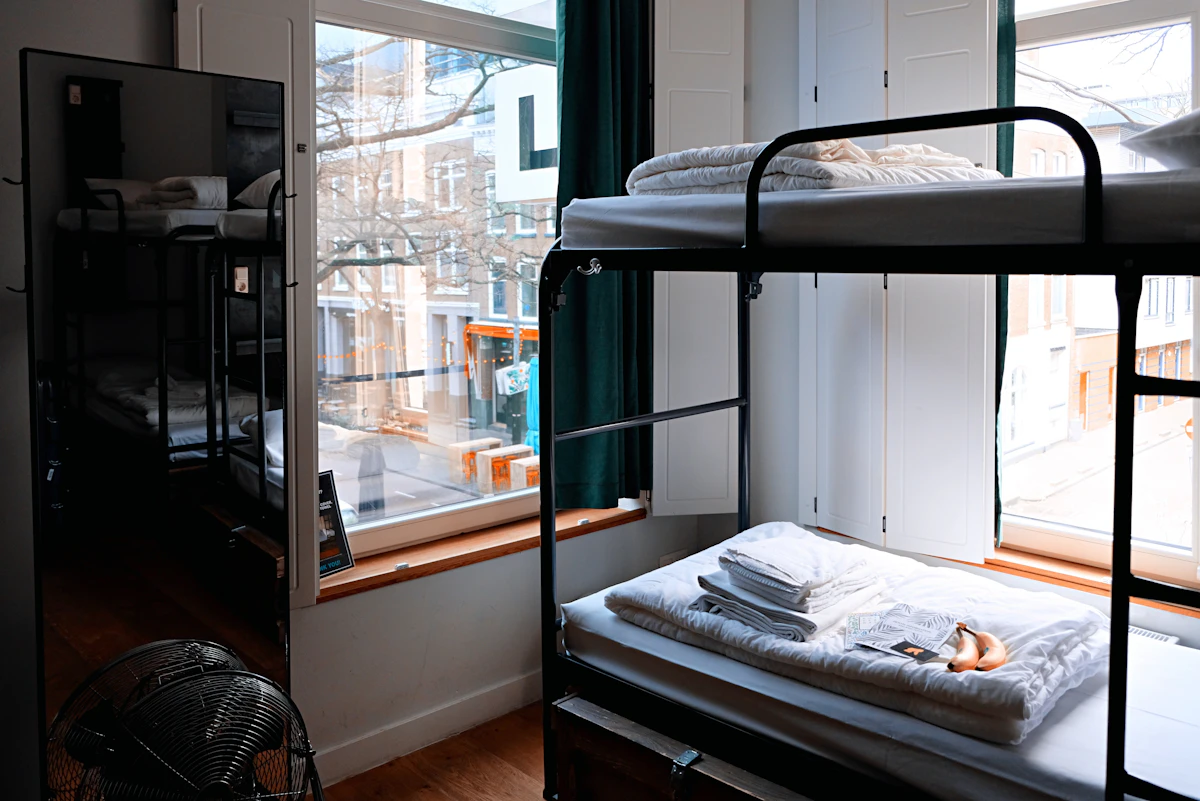
Hostels are designed to provide a warm, secure, and comfortable environment conducive to focused medical studies.
Clinical Exposure
The backbone of any medical degree is practical experience. Kazakhstan medical universities operate massive, multi-specialty government hospitals. From the third year, students begin clinical rotations. The final year is heavily dedicated to an internship where students assist senior doctors in departments like general surgery, pediatrics, internal medicine, and obstetrics. Because the healthcare system is public, the volume and variety of medical cases students witness are immense.
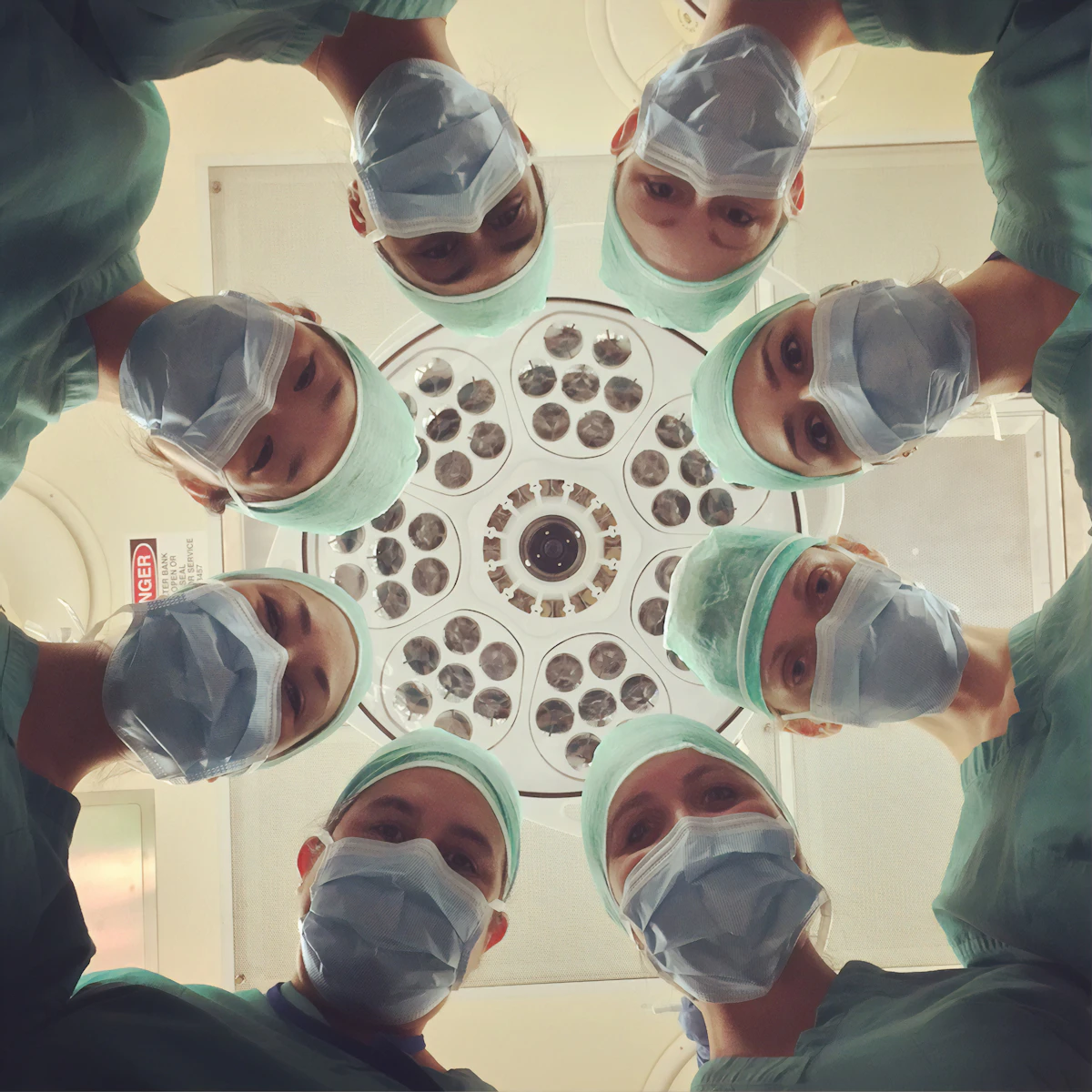
Extensive clinical rotations ensure students transition seamlessly from theoretical knowledge to practical patient care.
FMGE/NEXT Preparation
Kazakhstan universities are highly aware of the requirements of Indian students. Many top universities have integrated FMGE (Foreign Medical Graduates Examination) and NExT (National Exit Test) syllabus into their curriculum. Furthermore, universities frequently invite guest lecturers and prominent coaching institutes from India to conduct intensive preparation classes directly on campus.
Career Opportunities
Graduating from Kazakhstan opens up a global landscape of medical career opportunities.
Practice In India
Yes. You must return to India, clear the FMGE/NExT examination, complete a 1-year mandatory internship as stipulated by the NMC, and register with your State Medical Council.
Practice In USA
Yes. Your degree is ECFMG recognized. You are fully eligible to appear for the United States Medical Licensing Examination (USMLE) to pursue your PG/Residency in the United States.
Practice In UK
Yes. Graduates can appear for the Professional and Linguistic Assessments Board (PLAB) examination to secure a license to practice medicine in the United Kingdom.

A Kazakh medical degree empowers you to pursue your medical career anywhere in the world.
Country Comparisons
Kazakhstan vs Russia
Russia has an older legacy in medical education. However, Kazakhstan offers a slightly shorter degree timeline (5+1 years compared to Russia's 6 years) and is geographically closer to India with direct 3.5-hour flights.
Kazakhstan vs Uzbekistan
Uzbekistan is currently offering highly competitive, lower fee structures. However, Kazakhstan has a longer established history with Indian students and cities like Almaty offer a much more developed, cosmopolitan lifestyle.
Kazakhstan vs Kyrgyzstan
While Kyrgyzstan remains the most budget-friendly option in Central Asia, Kazakhstan boasts significantly superior infrastructure, higher global university rankings, and more advanced clinical teaching hospitals.
Who Should Choose Kazakhstan
* Students with a budget of ₹25-32 Lakhs looking for premium infrastructure.
* Those who prefer living in highly developed, modern cities like Almaty or Astana.
* Students looking for a direct flight route from New Delhi.
* Those seeking a massive, established Indian student community.
Who Should Avoid Kazakhstan
* Students with a budget strictly under ₹20 Lakhs (who should consider Uzbekistan or Kyrgyzstan).
* Students who absolutely cannot tolerate cold weather (though indoor heating makes it easily manageable).
* Those looking for a shortcut to medical licensing without passing mandatory exams.
Final Recommendation
For the 2026 intake, Kazakhstan remains an undisputed powerhouse for medical education. It strikes the perfect balance between high-quality European-standard education, modern cosmopolitan living, and financial affordability. If you are serious about becoming a globally recognized doctor, universities like KazNMU or SKMA offer an exceptional platform to launch your career.
Conclusion
Securing an MBBS admission in Kazakhstan is a decisive step toward a prestigious and secure medical career. Do not let the intense competition and high fees in India limit your potential. Armed with the right information and guided by the experts at DreamMed Abroad, you can seamlessly navigate the admission process, secure your student visa, and join thousands of successful Indian doctors who started their journey in Kazakhstan.

The journey of studying medicine in Kazakhstan builds resilience, global perspective, and lifelong friendships.
Frequently Asked Questions (FAQs)
Q1: Is MBBS in Kazakhstan valid in India?
Yes, absolutely. Degrees from NMC-approved medical universities in Kazakhstan are fully valid in India, provided you clear the NEET-UG before admission and the FMGE/NExT exam after graduation.
Q2: Is Kazakhstan safe for Indian students?
Yes, Kazakhstan is considered one of the safest countries in Central Asia. University campuses have strict security protocols, and cities like Almaty and Astana are highly modernized and secure.
Q3: How much does MBBS cost in Kazakhstan?
The total budget for the entire 5-6 year program, including tuition, hostel, and basic living expenses, generally ranges from ₹22 Lakhs to ₹32 Lakhs depending on the university.
Q4: Can I practice in India after MBBS?
Yes. After graduating, you must clear the FMGE or NExT exam, complete a mandatory 1-year internship in India, and register with the State Medical Council to practice legally.
Q5: Is NEET compulsory?
Yes. The National Medical Commission (NMC) mandates that all Indian students must qualify for the NEET-UG exam to study medicine abroad and practice in India.
Q6: Which university is best?
The "best" university depends on your budget. Kazakh National Medical University (Almaty) is considered the most prestigious, while South Kazakhstan Medical Academy (Shymkent) is highly regarded for its affordability and FMGE results.
Q7: Are the classes taught in Russian?
No. The MBBS programs designed for international students are taught 100% in the English language.
Q8: Do I need to learn the local language?
While your studies are in English, learning basic Russian or Kazakh is necessary to interact with local patients during your hospital clinical rotations from the third year onwards.
Q9: Is Indian food available?
Yes. All major medical universities have dedicated Indian messes serving vegetarian and non-vegetarian food. Indian groceries are also readily available in local markets.
Q10: What is the exact duration of the course?
The course duration is 5 years of academic study followed by 1 year of mandatory clinical internship, fully complying with the latest NMC gazette guidelines.
Q11: Do I need IELTS or TOEFL?
No. English proficiency tests like IELTS or TOEFL are not required for admission to medical universities in Kazakhstan.
Q12: Are there any donations or capitation fees?
No. Admissions handled through DreamMed Abroad are entirely merit-based and transparent, with absolutely no hidden capitation fees.
Q13: Can parents visit the university?
Yes, parents can easily obtain a tourist or visitor visa to travel to Kazakhstan and check the campus and hostel facilities themselves.
Q14: How severe is the winter?
Winters, especially in Astana, can be very cold, occasionally dropping to -20°C. However, Almaty and Shymkent are milder. All indoor spaces and transport are centrally heated, making the cold highly manageable.
Q15: How do I apply for the 2026 intake?
Contact DreamMed Abroad. Our expert counsellors will guide you through university selection, document processing, visa application, and ensure a smooth departure to Kazakhstan.